
Singapore Tuition Rates
In the dynamic landscape of Singapore's educational scene, one topic consistently garners attention – tuition rates. In this extensive guide, we'll explore the intricate landscape of tuition rates in Singapore.
We want to understand why students in Singapore take extra lessons, how much time they spend on them, and what affects their choices. By looking into this, we'll get a clearer idea about tuition costs and how they change over time.
The Singaporean Tuition Culture
Students in Singapore frequently engage in tuition to stay ahead in their studies. The academic competition here is fierce, and many believe that additional support can provide a competitive edge. Tuition isn't just about maintaining good grades; it's about striving for excellence in every subject. This mindset has solidified tuition's place in the daily lives of Singaporean students.
Time Invested in Tuition
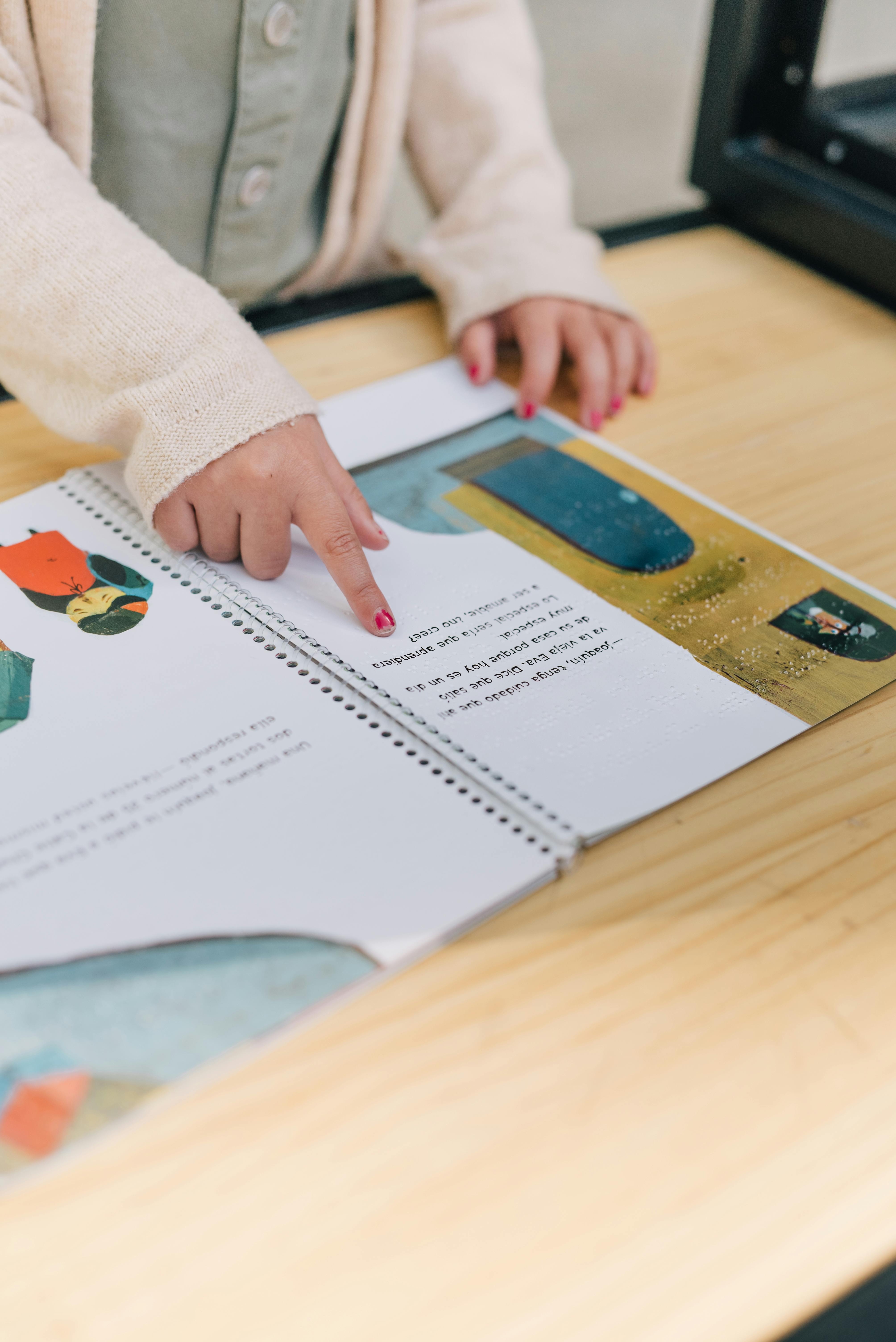
The commitment to education in Singapore goes beyond the ordinary. Students here have a rigorous routine that typically extends beyond the traditional school hours. The hours spent on tuition can be demanding, as students meticulously balance between school, tuition, and other activities.
Alright, let's dive into the nitty-gritty. Just how many hours are these kids in Singapore clocking in with their tutors every week? You'd be surprised! It's pretty standard for them to dedicate a good chunk of their after-school hours to tuition. Imagine, on top of their regular school hours, they're putting in several more just for tuition. That's dedication, right?
Now, think about how this shapes their day-to-day life. Their evenings aren't just about homework or playtime; there's that extra layer of tuition sessions squeezed in. It's like having a part-time job, but the currency is knowledge. And this isn't just a high school thing. Nope! Right from when they're in primary school, all the way to junior college, many students are on this tuition train. The goal? Staying ahead in the academic race. It's intense, but that's the hustle for many in Singapore.
Tuition Rate Trends
Now, let's delve into the intricacies of tuition rates in Singapore. The question on many minds is this: are these rates skyrocketing or are there noticeable shifts in trends? The answer is found within the myriad of factors influencing this dynamic domain.
One factor that's gained some attention recently is online tuition. While not as predominant as traditional methods, its emergence has introduced a new dimension to the tuition industry. Online sessions offer flexibility in terms of timing and location, potentially leading to variations in pricing. That said, it's just one of many variables in the broader equation.
The primary question on the minds of parents and students is whether tuition rates are steadily increasing. To gain a comprehensive understanding of this trend, one must take into account various influencing factors, such as the rise of online tutoring options. The tuition industry in Singapore, like many others, doesn't follow a straightforward trajectory, and unraveling its complexities demands a well-rounded perspective.
Types of Home Tutors
When discussing tuition rates, it's pivotal to spotlight the various categories of tutors available. Singapore offers a range of tutoring options, each bringing its unique advantages and disadvantages. Here's a comparison:
| Type of Tutor | Description | Advantages | Disadvantages |
|---|---|---|---|
| Part-time Tutor | Often undergraduate students or individuals juggling other commitments alongside tutoring. | - Affordable - Relatable to students | - May lack depth in subject expertise - Less availability |
| Full-time Tutor | Experienced tutors who dedicate their entire professional time to tutoring. | - Deep subject expertise - Flexible scheduling | - Potentially higher rates |
| MOE Teachers or Ex-MOE Teachers with formal NIE training | Educators with formal training from the National Institute of Education (NIE) and school experience. | - Comprehensive understanding of local syllabus - Structured teaching methods | - May have less flexibility in timings - Potentially higher rates |
Considering these options, the decision ultimately depends on individual preferences, learning needs, and budget considerations. The goal is to evaluate the pros and cons to determine the most suitable choice for the student's educational journey.
Tuition Rates Across Educational Levels in Singapore

Decoding Tuition Rates: Insights from AspirerTutor
At AspirerTutor, we recognize the importance for parents and students of staying updated on the latest tuition rates in Singapore. Our website is committed to bringing you the most recent and trusted information. We recommend regularly checking prominent education news websites to catch any new updates. Engaging with tuition agencies can also offer insights into the prevailing rates, given their direct involvement in the field.
We also encourage open discussions. Networking with other parents and students can unearth valuable real-time insights.
Home Tuition
vs
Tuition Centers
Home Tuition vs. Tuition Centers in Singapore
In the bustling educational landscape of Singapore, students and parents are often faced with the pivotal decision of choosing between home tuition and tuition centers. Both options present unique advantages and cater to different learning styles and preferences. This comparison seeks to illuminate the distinctions, helping families make informed choices for their educational pursuits.
 |  | |
|---|---|---|
| Criteria | Home Tuition | Tuition Centers (Group Tuition) |
| Environment | Personalized, familiar setting at home | Structured classroom setting |
| Benefits | Individualized attention; Customized lesson plans; Convenience of not traveling | Peer interaction; Access to diverse resources and materials; Structured lesson timings |
| Disadvantages | Potentially higher costs; Requires appropriate space at home | Less individual attention; Fixed schedules might be less flexible |
| Rates | Typically higher due to individualized attention and convenience | Generally more affordable due to economies of scale |
| Tips for Affordability | Evaluate tutor's qualifications vs. rates; Adjust frequency based on budget and needs | Choose centers with good reputation but competitive rates; Look for group discounts or promotions |
Factors Influencing Tuition Rates in Singapore
- ✦
- ✦
- ✦
- ✦
- ✦
- ✦
Advanced degrees or certifications can command higher rates.
- ✦
Specialized training, such as in special education or advanced mathematics, might affect rates.
- ✦
Years in the teaching field: As experience increases, rates might rise.
- ✦
Success stories or proven track records: Tutors with consistent positive outcomes may charge more.
- ✦
Recommendations: High demand due to word of mouth can increase rates.
- ✦
Core subjects like mathematics or sciences might have higher demand and therefore higher rates.
- ✦
Less commonly taught subjects or languages might command premium prices due to scarcity.
- ✦
Tuition centers in prime or central locations may carry a premium, such as those in Beauty World.
- ✦
Rates might vary based on the convenience of home visits vs. tuition centers.
- ✦
Longer sessions might offer a slightly reduced rate per hour but a higher total cost.
- ✦
Intensive courses, especially before major exams like PSLE or 'O' Level, might be priced differently.
Tips for Negotiating Tuition Rates

- ✦
Know the average rates for similar services.
- ✦
Understand the price range for tutors with varying qualifications and experience.
- ✦
Discuss the specific subjects or areas of focus.
- ✦
Highlight any special requirements, such as preparation for specific exams.
- ✦
Engage in open dialogue and show respect.
- ✦
Demonstrate commitment to learning, which can make tutors more amenable to adjustments.
- ✦
Consider alternate lesson times, group lessons, or shorter durations to secure a better rate.
- ✦
Look into package deals or long-term commitments for potential discounts.
Home Tuition and its Tuition Rates